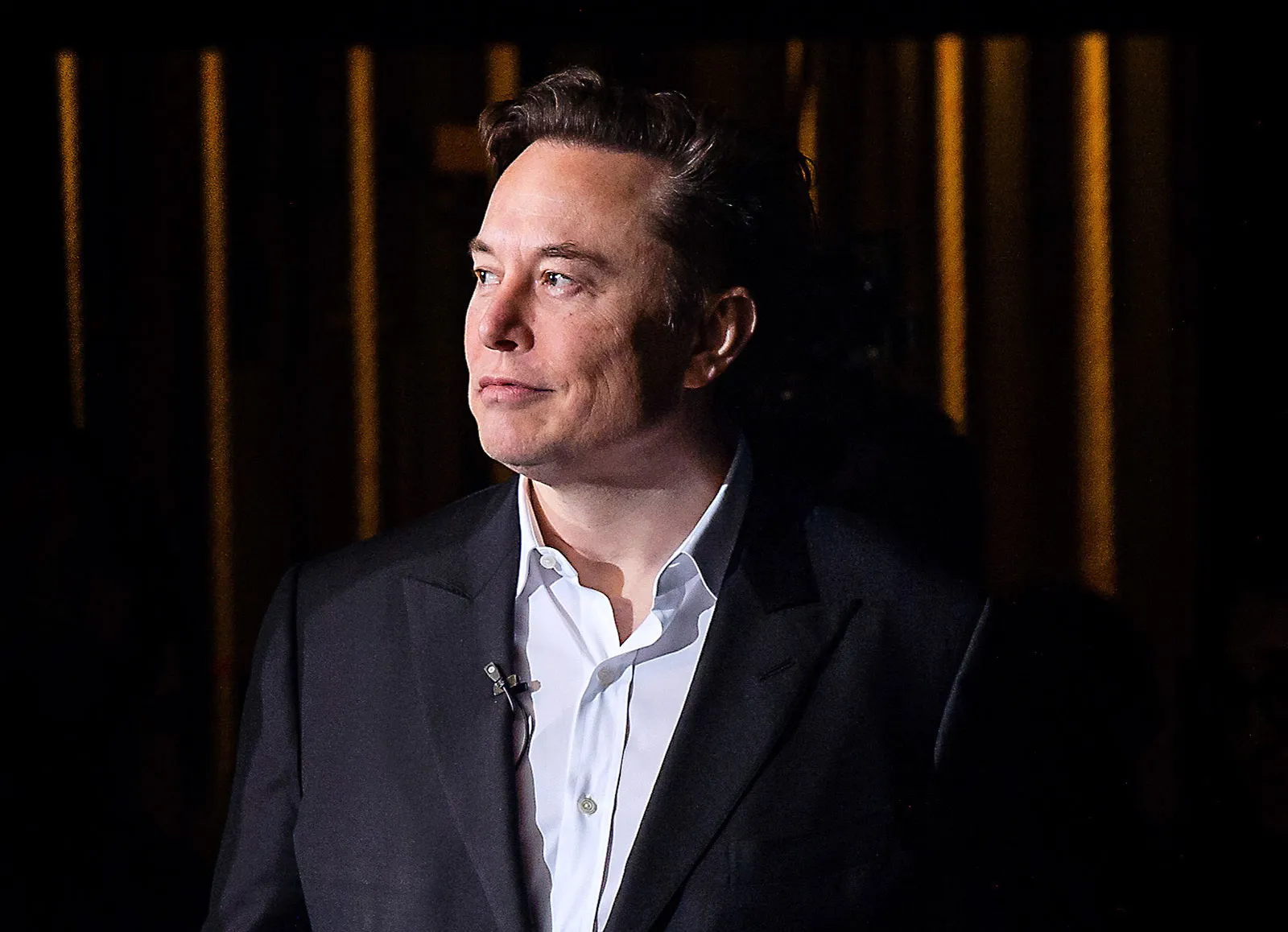
Elon Musk is still one of the most influential figures of our times. He inspires, disrupts, and drives technological ambition. But his track record in 2025 also shows serious flaws, inconsistencies, and risks. It's time to look beyond the media hype and ask: What is Musk not doing right, and where is the damage?
1. Financial Bleeding & Investor Concerns
Massive drop in wealth: Musk has lost over US$121 billion in net worth in 2025 alone — the biggest among the top 10 richest people in the world. Much of this stems from Tesla's poor stock performance and investor unease.
Profit collapse: Tesla's profit plunged by 71% in Q1 of 2025. That's not just a minor hiccup, that's a crisis.
⚠️ Key Insight
These numbers aren't just "market volatility." They suggest deeper issues: weak demand, rising competition, perhaps overpromised capacity, or failure to manage expectations. For someone who sells vision of the future, financial instability brings down credibility.
2. Political Entanglements & Distractions
Musk holds or held roles beyond being a CEO, especially in political spaces like the so-called "Department of Government Efficiency" in the Trump administration. This blurs lines: Is he innovator, public servant, or power broker? Multiple critics argue being deeply political distracts from running core businesses.
His public support for deploying federal troops to San Francisco to address drug/crime problems has drawn sharp criticisms. It raises questions about whether he's using political influence to push extreme or heavy-handed solutions, rather than systemic policy fixes.
When a CEO spends time and reputation in politics, it's not just PR risk; the company's performance often suffers. Stakeholders — consumers, employees, investors — get mixed signals about priorities.
3. Legal & Governance Issues
$56 billion compensation package under scrutiny: Musk's compensation from Tesla was invalidated by a Delaware court (2024) over concerns of board bias and lack of proper disclosure. The matter is now with the Delaware Supreme Court.
Severance lawsuit at X (formerly Twitter): Ex-executives (Parag Agrawal, Ned Segal, Vijaya Gadde, etc.) claimed Musk's company withheld US$128 million they were contractually owed. The public battle damaged trust.
💡 Bottom Line
Transparency and corporate governance aren't "nice to have" for big companies — they're essential. Musk has repeatedly been on the wrong side of them.
4. Reputation, Burnout & Brand Risks
Public backlash & protests: Tesla is now subject of a grassroots protest movement called "Tesla Takedown", targeting both the company and Musk himself.
Vandalism and boycotts: As Musk's political associations become more polarizing, Tesla's sales are dropping in Europe (45% decline in EU; 62% in Germany in one period) and some showrooms have been vandalized. These are not isolated PR stunts.
Brand goodwill is eroding. When people see your company not just as product provider but as political actor, you gain enemies as well as admirers — and enemies often cost you real money.
5. Overpromising, Under-Delivering?
Musk's public statements sometimes reverse earlier positions, undermining credibility:
- He once criticized Bitcoin for environmental reasons; now he says Bitcoin's energy basis (proof-of-work) makes it trustworthy. This flip-flop fuels doubts about whether decisions are data-driven or spectacle-driven.
- Claims of being replaced as Tesla CEO circulated; Musk and Tesla had to issue very strong denials calling media reports false and unethical. Such rumors reflect investor anxiety around leadership, but also suggest internal instability.
6. The India Question: Can Musk Actually Win Here?
Given Startup Charcha's likely Indian audience, this strand is especially relevant:
JSW Chairman Sajjan Jindal has publicly doubted Musk's ability to succeed in India, citing that Tata, Mahindra and other local automakers are too entrenched, and that Musk's production models won't easily translate.
Regulatory, tariff, duty, and "Make in India" policy challenges remain high. A company used to operating in markets with different cost, supply chain, labor, policy dynamics might struggle. Musk's Tesla has so far focused on showrooms rather than full local manufacturing in India.
🇮🇳 India Reality Check
Local competition is not just from other brands but from infrastructure, regulations, cost realities. Big promises matter less than adapting to local realities.
So What Does All This Mean?
Elon Musk remains a force. But his hype machine often outpaces the hard results.
- Sustainability of growth is in danger: If financial losses continue, political costs grow, and brand trust erodes, Musk's companies may find it harder to raise capital or recruit talent.
- Long-term reputation vs short-term gain: Some of his communication tactics (provocation, showmanship, reversals) give short visibility, but may damage trust for institutions, regulators, investors.
- For India & emerging markets: Local competition is not just from other brands but from infrastructure, regulations, cost realities. Big promises matter less than adapting to local realities.
What Musk (and Others) Should Do — Realistic Critiques & Suggestions
To be fair, I believe many of these issues can be fixed. Here's what Musk & his companies should do if they want to avoid falling into the trap of being "visionary but unstable":
- Focus on profitability & cash flow, not only headlines. Tight budget discipline: cost control, supply chain efficiency.
- Clarify his roles & boundaries: if you're acting as advisor to government, maybe set up separate teams for businesses so company execution doesn't suffer.
- Consistency in public messaging: avoid flip-flops. If change in stance is required, do it with data, not just social media theatrics.
- Better governance & transparency: stronger board oversight, clearer reporting of performance. These govern trust.
- Adapt to local markets intelligently: e.g. India – build manufacturing locally, adapt product to local customer price sensitivity, embrace regulations rather than fight them.
🎯 Conclusion
Elon Musk is not a villain. He's one of the few with ambition and scale. But ambition without grounded execution and thoughtful governance is a ticking time bomb. The 2025 data is already showing that vision alone can't sustain leadership.
For Startup Charcha readers: admire the vision, but demand accountability. Because it's not enough to shoot for Mars: you have to make sure your rockets don't explode on the launchpad here on earth.